
DUSF
ATMOS
Aerosol, Temperature, Methane and Ozone System (ATMOS) is a compact platform for atmospheric vertical profiling.
From atmospheric sensing to aerosol imaging
ATMOS developed from a compact atmospheric sensor package into a digital holography platform designed to investigate aerosols through a vertical profile.
HOW DOES THIS HELP CLIMATE CHANGE?
Key measurements
ATMOS (Aerosol, Temperature, Methane, Ozone System) started as an idea to measure complete atmospheric data in a compact, inexpensive payload. The aim was to make it possible to produce a large number of vertical profiles and build a better understanding of our atmosphere and climate change.
The first goal was to measure the core atmospheric variables that already had suitable commercially available sensors. The payload was designed to record carbon dioxide, ozone, temperature, barometric pressure and flow rate. These measurements formed the foundation of the project, allowing the team to test both the sensing concept and the practicality of collecting vertical atmospheric data during a rocket mission.
Digital holography and aerosol profiling

Introducing digital holography
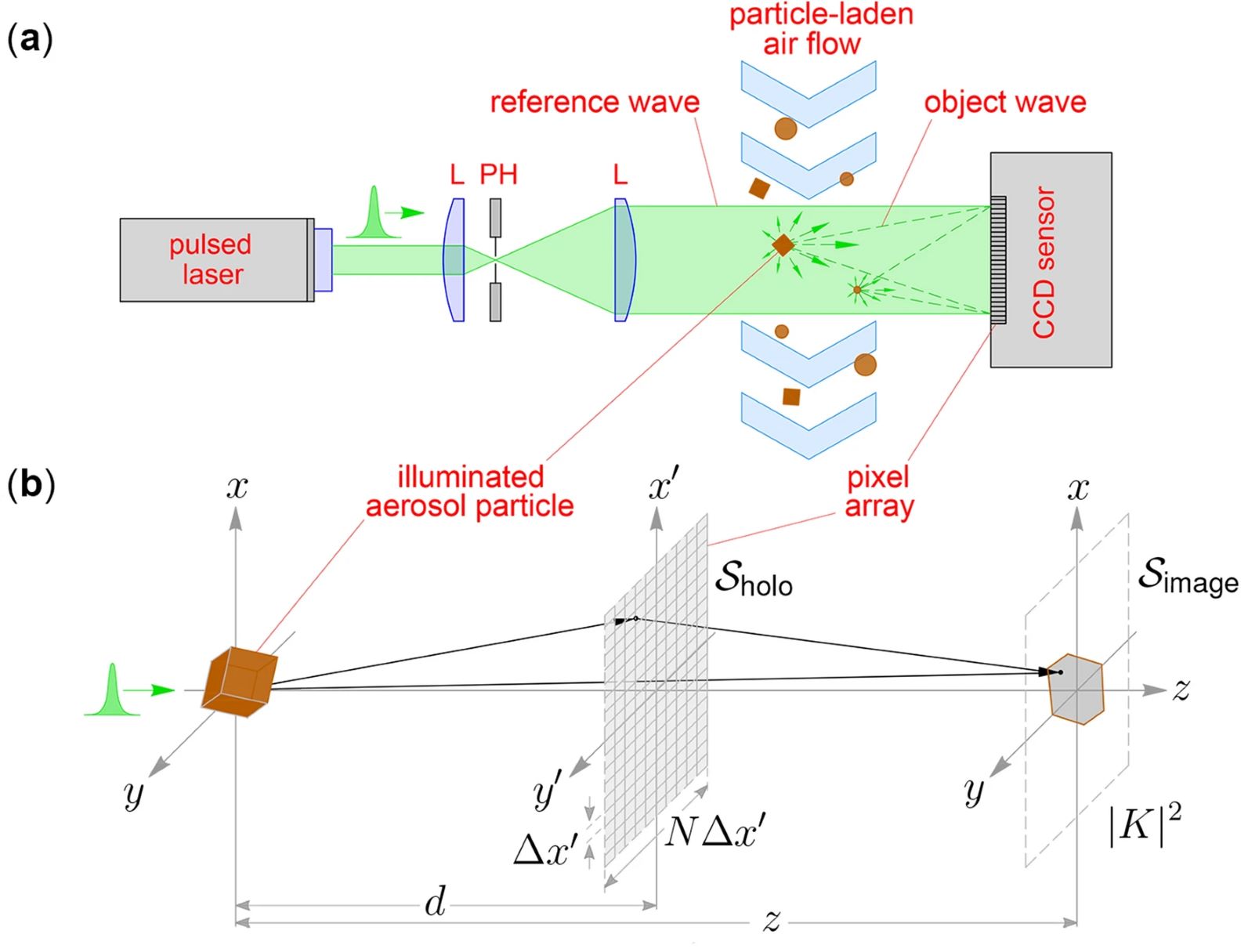
Aerosols are tiny particles floating in the air. They affect air quality, clouds and climate. To understand those effects better, the team wants to determine the size and type of aerosol through a vertical profile. Digital holography does this with light. A laser shines through the air and some of its light is scattered by particles into the sensor, forming a hologram. A computer can then use the hologram to reconstruct an image of the particles [1]. This can reveal particle size and shape without needing to collect the particles first.
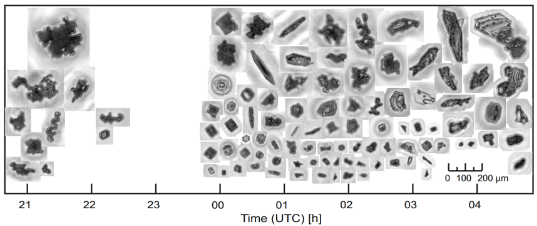
Aerosol imaging and vertical profiling
Digital holography does more than count particles: it can also show what they look like. The team can use particle shapes and sizes to help identify different aerosols while building up a vertical profile of their distribution.
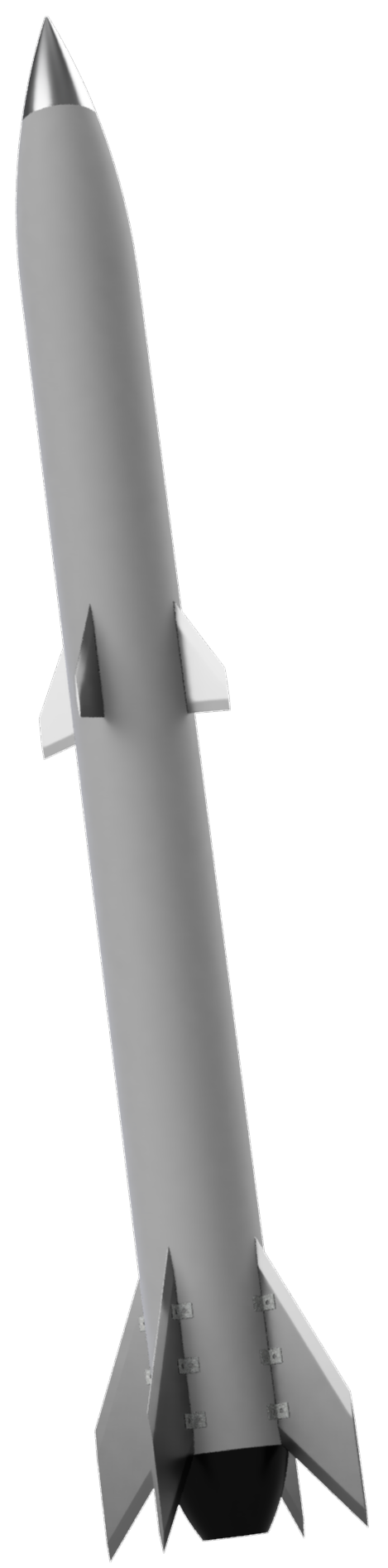
ATMOS launch-vehicle assembly.
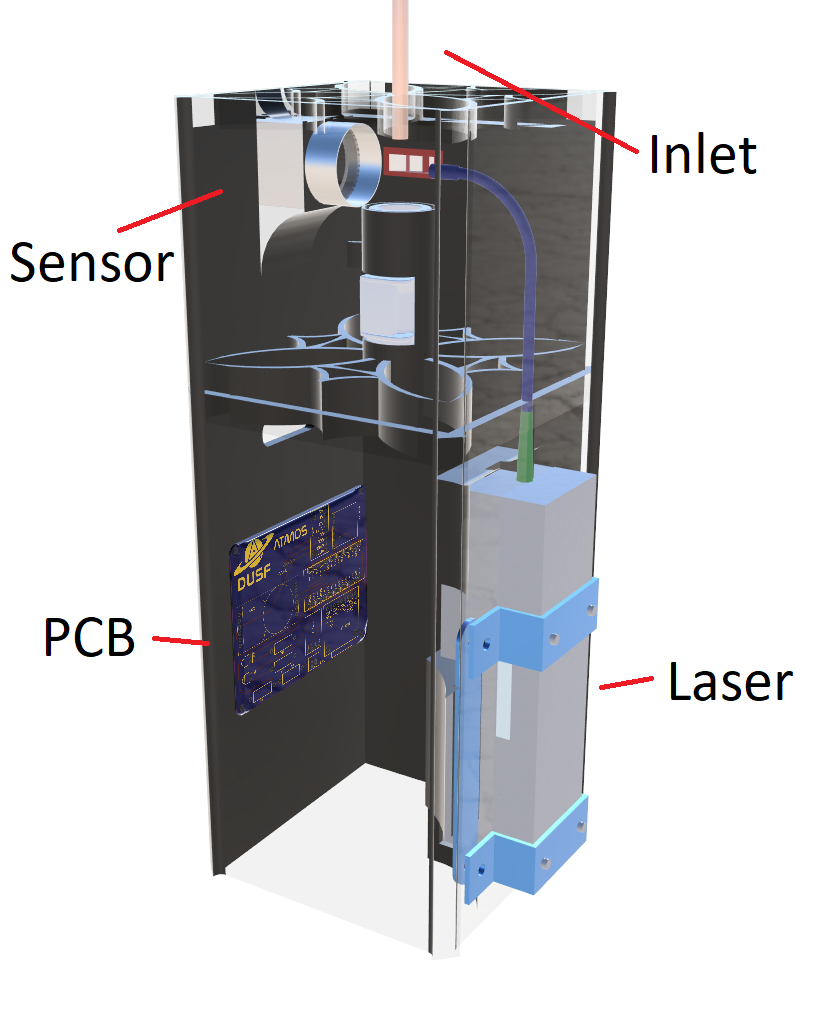
ATMOS payload layout.
WHAT DID WE LEARN?
Results and discussion

The first ATMOS flight
Conclusions
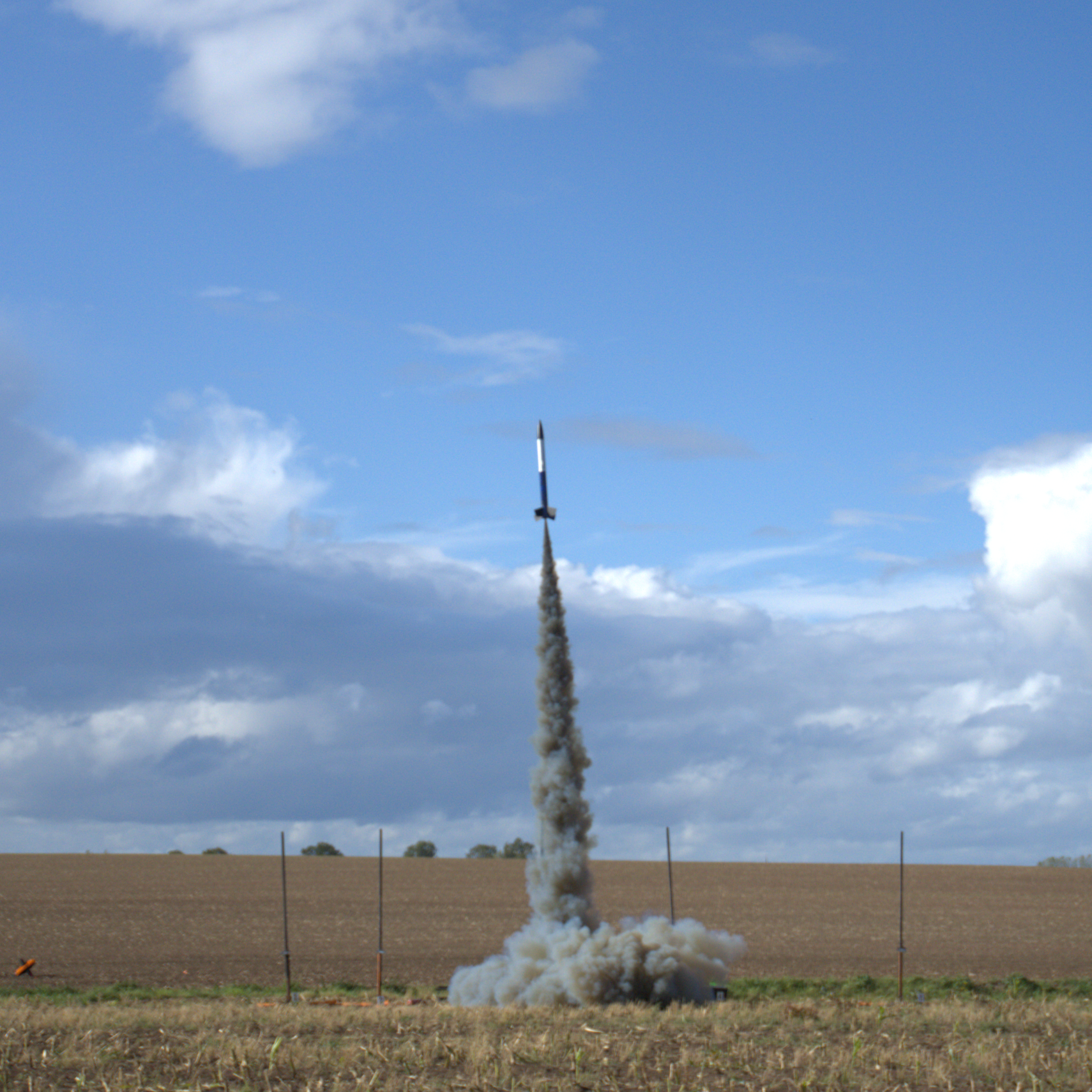
- The first ATMOS flight provided an important proof of concept. The payload successfully launched and recorded atmospheric data throughout the mission, reaching an altitude of around 600 metres.
- The pressure data performed especially well, showing the expected relationship with altitude and confirming that the sensor was working accurately. Flow-rate data showed that the inlet system successfully drew in external air, although periodic fluctuations revealed the effect of rocket spin during flight.
- Temperature data was noisier than hoped, and the CO₂ sensor showed only a weak trend, indicating areas for improvement. Overall, the launch demonstrated that the ATMOS platform could operate in flight and collect meaningful environmental data, providing a strong foundation for the second year of development.
